Last updated: August 2026
“Instant” loan apps promise exactly what the name suggests — fast approval, minimal paperwork, and funds in your account within minutes. That promise is largely real for reputable lenders. But “instant” is also where a lot of marketing copy stretches the truth, and the difference between a genuinely good deal and an expensive one often comes down to details that aren’t obvious from the app store listing. Here are eight concrete checks to run before you commit to any instant loan app — with real Nigerian interest rate data to show why they matter.
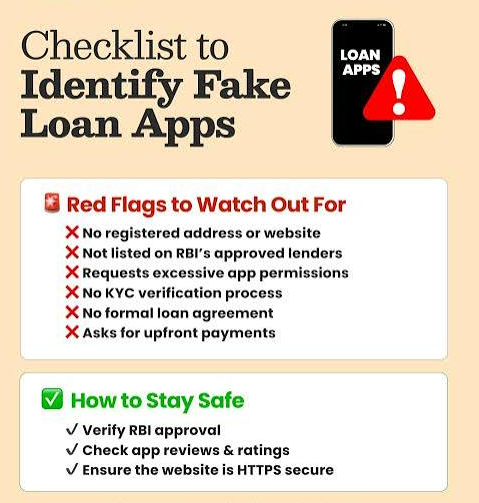
Instant loan app checklist.
1. Confirm It’s Actually Licensed
Before anything else: check whether the app is registered with your national regulator. In Nigeria, that means confirming the lender appears on the FCCPC’s registry of approved digital lenders under the DEON Consumer Lending Regulations, and ideally that it’s also CBN-licensed and NDIC-insured — a second layer of oversight that reputable platforms like Carbon, FairMoney, Branch, and Renmoney all point to directly. (For a full breakdown of how this framework works, see our companion guide on spotting reliable loan apps.)
2. Get the Real Interest Rate Range, Not Just the Headline Number
This is where a lot of “instant loan app” marketing gets misleading, so it’s worth being precise. Based on current published rates from major Nigerian platforms:
- FairMoney: roughly 2.5%–30% monthly, with loan limits up to ₦3 million for personal loans and ₦5 million for SME loans
- Carbon: roughly 4.5%–30% monthly (max APR around 195% at the top end), plus a flat processing fee charged per application regardless of whether you accept the offer
- Branch: roughly 15%–34% monthly, with a reward system that lowers your effective rate as you build repayment history
- Renmoney: roughly 2.4%–9.33% monthly — genuinely one of the lower ranges among major platforms
The honest takeaway: it’s not accurate to say these apps are uniformly expensive, but it’s equally not accurate to assume they’re all “competitive with traditional lenders” by default. The rate you actually get depends heavily on your credit profile and repayment history within that specific app — first-time borrowers typically land at the higher end of a platform’s range, while repeat, on-time borrowers get meaningfully better terms over time. Always check where you’d realistically fall, not just the lowest advertised number.
How to Spot Reliable Loan Apps (And Borrow Responsibly)
3. Check for Fees Beyond the Interest Rate
Interest rate isn’t the whole cost. Watch for:
- Flat processing or application fees (some platforms charge these per application, win or lose)
- Late payment penalties, sometimes structured as a small daily percentage that compounds if a payment slips
- Insurance or management charges bundled into the total repayment figure
Always ask for — or calculate — the total repayment amount, not just the monthly rate, before accepting an offer.
4. Understand What “No Credit Check” Actually Means Here
Most reputable instant loan apps do check something — even if it’s not a traditional bureau pull. Many evaluate income stability, bank transaction history, and repayment behavior on their own platform rather than (or in addition to) a formal credit bureau check. This is genuinely part of why approval is fast: the app is scoring you on data it can access instantly, not waiting on a third party. It’s worth knowing this isn’t the same as “no check at all” — see our companion piece on spotting reliable loan apps for how Nigeria’s credit bureau system fits into this.
5. Test Whether “Instant” Really Means Instant
Reputable platforms genuinely do disburse within minutes to a few hours for most approved applicants — this part of the pitch generally holds up. But approval speed can slow during peak demand periods, and some apps’ “instant” claims apply only to returning, verified users rather than first-time applicants. If speed is the deciding factor for your situation, check recent reviews specifically for disbursement time complaints, not just overall ratings.
6. Match Loan Size and Tenure to Your Actual Need
Loan ranges vary a lot by platform — anywhere from roughly ₦2,000–₦2,500 as a starting amount up to several million naira for established borrowers, with repayment terms commonly spanning 1 to 12 months. Borrowing more than you need because a higher limit is available is one of the most common ways a manageable loan turns into a difficult one — match the amount and term to your actual repayment ability, not the app’s maximum offer.
7. Read Reviews for Specific, Repeated Complaints
Star ratings alone don’t tell you much — a 4.5-star app can still have a real pattern of complaints buried in the text. Look specifically for repeated mentions of the same issue: aggressive collection tactics, unexpected fees, or app reliability problems during peak times. A pattern across many independent reviews is a far more useful signal than the aggregate score.
8. Confirm the App Requests Only What It Needs
Identity verification for a legitimate loan requires some data — typically BVN, a government ID, and bank statement or transaction history access. What it shouldn’t require is broad, unrelated access to your full contact list or photo gallery. If an app’s permission requests go noticeably beyond what identity and income verification would need, treat that as a real red flag rather than a technicality.
Myths Worth Correcting
“They all charge huge interest.” Not uniformly true — rates genuinely range from roughly 2% to over 30% monthly depending on the platform and your profile within it. But it’s also not fair to assume the low end applies to you by default; first-time borrowers usually start closer to the higher end.
“They don’t check anything.” Most do check something — income data, bank transaction history, or repayment behavior on their own platform — even when they skip a traditional credit bureau pull. “Fast” doesn’t mean “unassessed.”
“Hidden fees are everywhere.” They exist on some platforms, but reputable, licensed lenders generally disclose processing fees and penalty structures upfront — the discipline is in reading that disclosure before accepting, not assuming every app hides its costs.
How to Apply, Step by Step
- Download the app from an official source — your app store, not a link shared via social media or SMS, since fake versions of popular apps do circulate and are designed to harvest data.
- Register your profile with accurate personal and financial details, including any required BVN or ID verification.
- Complete identity verification, typically automated, sometimes including biometric checks on more security-conscious platforms.
- Select your loan amount and repayment term, using any built-in calculator to see the full repayment figure — not just the monthly rate — before confirming.
- Review the final offer carefully before accepting; this is your last checkpoint to catch fees or terms that don’t match what you expected.
Frequently Asked Questions
What’s a realistic interest rate range to expect from a Nigerian instant loan app? Roughly 2% to 30% monthly across major platforms, with your actual rate depending heavily on your credit profile and repayment history on that specific app. First-time borrowers should generally expect the higher end of a platform’s stated range.
Do instant loan apps really disburse funds within minutes? For most approved, returning users on reputable platforms, yes. First-time applicants and peak-demand periods can slow this down, so check recent reviews for disbursement-time complaints if speed is your priority.
Is a processing fee normal, or a red flag? A disclosed, reasonable processing fee from a licensed lender is normal — several major Nigerian platforms charge one. The red flag isn’t the fee itself; it’s a fee that isn’t disclosed until after you’ve already committed.
How can I tell if a loan app is licensed in Nigeria? Check the FCCPC’s registry of approved digital lenders, and look for CBN licensing and NDIC insurance, which reputable platforms typically state directly in their app or website.
Should I always pick the app with the lowest advertised rate? Not automatically — check whether that low rate is realistic for a first-time borrower like you, or reserved for repeat, established customers. Match the platform to your actual borrowing profile, not just its best-case advertised number.
This guide reflects publicly available lending platform data as of August 2026, focused on the Nigerian digital lending market. Interest rates, fees, and licensing status change — always confirm current terms directly with the app and check your national regulator’s registry before borrowing. This is general information, not financial advice.