Bad Credit Loan Apps: How to Choose
Last updated: August 2026
Bad credit closes doors — banks, most credit cards, and a lot of everyday financial products become harder to access once your score drops. But it isn’t a permanent state, and it isn’t a moral failing either: it’s a signal of past repayment behavior, not a life sentence. The loan apps built specifically for bad-credit borrowers exist because that gap is real. Used carefully, they can genuinely help you get through a shortfall and start rebuilding — but the category includes some very different types of platforms, and knowing which kind you’re dealing with matters more than most roundup articles let on.
What “Bad Credit” Actually Means
A low credit score reflects your credit history — late payments, high balances relative to your limits, past defaults, or bankruptcy. It tells a lender you may represent higher repayment risk, not that you’re inherently untrustworthy. It’s also not fixed: it’s a snapshot that updates as your repayment behavior does, which is exactly why the right borrowing choice now can improve your position later, and the wrong one can make it worse.
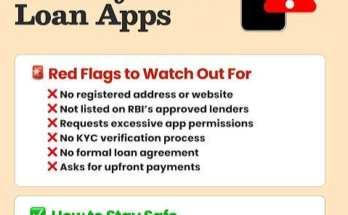
8 Essential Checks Before Choosing an Instant Loan App
Why Bad-Credit Loan Apps Exist — And What They Actually Offer
- Access where banks say no. Traditional lenders often decline applicants below a certain score threshold outright; bad-credit-focused platforms are specifically built to still evaluate you.
- Approval and disbursement in hours rather than the days or weeks a traditional bank loan can take.
- Repayment flexibility. Many offer installment structures designed around lower or irregular income, rather than a single rigid repayment schedule.
- A path to actually rebuilding credit — but only through lenders that report your payment history to the credit bureaus. This is the detail worth double-checking before you borrow, not after: a bad-credit lender that never reports your on-time payments gives you none of the score-building upside, even if you repay perfectly.
Two Very Different Types of “Bad Credit Loan App”
This is the distinction most bad-credit loan roundups skip, and it genuinely changes how you should evaluate an option:
Direct lenders
Platforms like OppLoans and CashNetUSA lend you the money themselves. You know upfront who you’re borrowing from, and the terms you see are the terms you’ll get (assuming approval). OppLoans offers installment loans typically from $500–$5,000 with APRs roughly in the 99%–195% range depending on your state and profile — high by prime-lending standards, but it reports payment history to all three major credit bureaus, meaningfully helping you rebuild if you repay on time. CashNetUSA operates similarly as a high-cost, short-term lender, but generally does not report to the bureaus, and isn’t available in every state. (See our companion guide on no-credit-check loan apps for a fuller cost breakdown of both.)
Loan marketplaces
BadCreditLoans.com works differently — and understanding this before you apply matters. It is not a lender. It’s a marketplace: you submit one application, and the platform forwards your information to a network of partner lenders (and, by its own stated terms, potentially other marketing partners as well) who may then contact you with offers. Operating since 1998 under Great LLC, it accepts applicants with credit scores below 500, with loan amounts from $500–$10,000, terms from 3 to 72 months, and APRs reported in the roughly 6%–36% range — a wide spread, since your actual rate depends entirely on which specific lender in the network picks up your application. It’s free to use in the sense that the platform itself doesn’t charge a fee, but review sentiment is genuinely mixed: some users report a helpful match when other doors were closed, while others report unresolved service complaints and a steady stream of marketing contact after applying.
The practical takeaway: a marketplace can widen your options when a direct lender turns you down, but you’re trading a single, known relationship for a wider, less predictable one — including your data being shared with a broader network of “partners.” If data privacy is a priority for you specifically, a direct lender is the more contained choice.
What to Look For, Regardless of Which Type You Choose
- Fully disclosed terms — interest rate, repayment schedule, and every fee, visible before you commit, not after.
- Confirmed credit bureau reporting — ask directly if you want the loan to help rebuild your score, since this varies significantly even among reputable platforms.
- Real security practices — encryption and secure data storage are baseline expectations, not differentiators, at this point.
- Responsive customer support — genuinely more important with bad-credit lending than most categories, since these borrowers are statistically more likely to need a payment plan adjustment or have a question mid-loan.
- A rate you can actually compare — even within “bad credit,” rates vary meaningfully by platform; don’t accept the first offer without checking at least one alternative.
Smart Borrowing Habits Specific to Bad Credit
- Know your real numbers first — income, fixed expenses, and what you can genuinely repay without missing other obligations.
- Read the complete agreement, including any origination fees or prepayment penalties that a marketplace-sourced offer in particular may bury deeper in the fine print.
- Build a repayment plan before you borrow, not after the first payment is already due.
- Look at non-loan alternatives too — nonprofit credit counseling, employer paycheck advances, or community assistance programs can sometimes cover the same gap at meaningfully lower cost.
How to Actually Rebuild Your Credit While You’re at It
- Check your credit report for errors regularly. Incorrect entries — a paid-off loan still showing as open, an account that isn’t yours — happen more often than people expect, and disputing them can lift your score without you doing anything else.
- Prioritize on-time payments above all else. Payment history is the single biggest factor in most credit scoring models — automate payments if that’s what it takes to avoid a missed date.
- Keep credit utilization low on any revolving credit you hold, generally under 30% of your limit.
- Build a mix over time, if you can manage it responsibly — a track record across both installment loans and revolving credit tends to read better to future lenders than one type alone.
Frequently Asked Questions
Is BadCreditLoans.com a real lender?
No — it’s a loan marketplace that forwards your application to a network of partner lenders, who then decide independently whether to offer you a loan. Your actual rate and terms depend on which lender in that network responds.
Which is safer for my data: a direct lender or a marketplace?
A direct lender is generally more contained, since your information goes to one company. A marketplace like BadCreditLoans.com shares your application with multiple partners by design, which is worth knowing upfront even though it isn’t necessarily unsafe.
Can a bad-credit loan actually improve my score?
Only if the lender reports your payment history to the credit bureaus. OppLoans does; CashNetUSA generally doesn’t. Ask directly before assuming a loan will help your credit, since responsible repayment on a non-reporting loan does nothing for your score either way.
Are bad-credit loan APRs always extremely high?
Not uniformly, but expect meaningfully higher rates than prime borrowers get. Reported ranges run from roughly 6% (best-case marketplace matches) up to 195% (higher-risk direct-lender tiers) — where you land depends heavily on your specific profile and which platform or lender you’re matched with.
What’s a lower-cost alternative if I can access it?
Nonprofit credit counseling agencies, credit union small-dollar loans, and employer-based paycheck advance programs are generally less expensive than either bad-credit lending category covered here, when they’re available to you.
This guide reflects publicly available lender and marketplace data as of August 2026. Rates, terms, and credit-bureau reporting practices change — always confirm current details directly with the lender or platform before applying. This is general information, not financial advice.