Last updated: August 2026
Loan apps can be a genuine lifeline — covering emergency expenses, school fees, or working capital for a small business when a traditional bank says no. But “fast and convenient” and “trustworthy” aren’t the same thing, and telling the two apart is a checkable process, not a guess. This guide walks through exactly how to verify a loan app is legitimate before you borrow, and how to structure your borrowing so a short-term loan doesn’t turn into a long-term problem.
What Responsible Borrowing Actually Means
Before comparing apps, the more important question is whether you should borrow at all right now, and how much:
- Know your real numbers. Income, fixed monthly expenses, and existing debt obligations — not a rough guess — before deciding what you can safely repay.
- Compare more than one offer. Interest rates and fee structures vary meaningfully between lenders even for similar loan amounts; picking the first app you find rarely gets you the best terms.
- Read the full terms before accepting, including repayment schedule, late penalties, and any service charges — not just the headline interest rate.
- Treat your repayment history as an asset. Timely repayment on a legitimate, reporting lender builds a credit history that opens better terms later — a benefit that only exists if the app you’re using actually reports it (more on this below).
Hidden Dangers of Irresponsible Loan Apps in 2026
How to Verify a Loan App Is Actually Legitimate
This is the part most guides leave vague. Here’s how to actually check, not just guess:
1. Confirm It’s Registered With Your National Regulator
This is the single most important, checkable step, and it takes minutes. In Nigeria, all digital lenders — fintech apps, telecom-based lenders, and Buy Now Pay Later platforms alike — are required to register with the Federal Competition and Consumer Protection Commission (FCCPC) under the DEON Consumer Lending Regulations. The FCCPC maintains a public, updated registry of approved digital lenders; checking an app against that list before you download it is a direct, verifiable step, not a matter of trust. (For more on how this framework works and why it exists, see our companion guide on the dangers of unregulated loan apps.)
If you’re outside Nigeria, look for the equivalent: most countries with active digital lending oversight publish a comparable registry through their financial or consumer protection regulator.
2. Check Whether It Reports to a Credit Bureau
A genuinely useful signal of a reputable lender: does it report your repayment history to a licensed credit bureau? In Nigeria, there are three CBN-licensed credit bureaus — CRC Credit Bureau, CreditRegistry, and FirstCentral Credit Bureau — and licensed digital lenders operating under CBN or FCCPC oversight are generally expected to report borrower activity to them. Apps like Carbon, FairMoney, Branch, and PalmPay are commonly cited as reporting to these bureaus, meaning consistent on-time repayment through them can genuinely build your credit profile over time.
You can check your own credit history directly — each of Nigeria’s three bureaus is required to provide one free credit report per year, accessible after identity verification with your BVN. This is also a useful way to catch reporting errors early (a fully repaid loan showing as outstanding, or an account you don’t recognize) before they affect a future application.
3. Read Reviews for Patterns, Not Just Star Ratings
A handful of scattered complaints is normal for any company. What matters is whether reviews repeatedly describe the same specific problem — unexpected fees, aggressive contact-list messaging, or difficulty reaching support. A consistent pattern across many independent reviews is a far stronger signal than an average star rating alone.
4. Check What the App Actually Asks Permission For
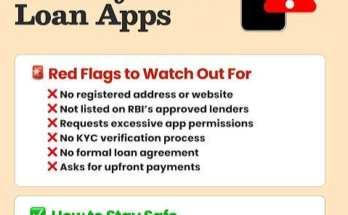
A loan app requesting access to your full contact list, photo gallery, or SMS history — beyond what identity verification genuinely requires — is a concrete red flag you can catch before you even submit an application, not something you only discover after borrowing.
What Separates a Reliable App From a Risky One
| Reliable lenders | Risky lenders | |
|---|---|---|
| Terms | Fees and APR disclosed upfront | Buried in fine print or vague |
| Registration | Verifiable on your national regulator’s registry | Absent, unclear, or unverifiable |
| Credit reporting | Reports both on-time and late payments | Often reports only missed payments, if at all |
| Data access | Requests only what’s needed for verification | Requests broad access to contacts/photos |
| Repayment flexibility | Offers adjustable plans or due-date changes | Rigid terms, harsh penalties for any delay |
The Real Cost of Getting This Wrong
Borrowing from an unverified or predatory app carries real, compounding risk: interest and fees that escalate faster than you can repay, a credit history that only ever reflects your missteps because on-time payments were never reported, and — in documented cases regulators have specifically acted on — harassment tactics that reach beyond the borrower to their contacts. None of that is hypothetical; it’s the specific pattern of harm that led regulators like Nigeria’s FCCPC to build the registration and disclosure requirements described above in the first place.
Smart Habits for Using Loan Apps Responsibly
- Borrow the minimum, not the maximum you’re offered. Larger amounts come with larger obligations — match the loan to the actual need.
- Set up automatic repayment where possible, so a missed date isn’t a matter of forgetting.
- Avoid stacking loans. Multiple simultaneous obligations across different apps compound risk fast and make it hard to track what you actually owe.
- Build a small emergency fund alongside any borrowing, so loans stay a backup rather than your default response to every unexpected cost.
- Check your credit report periodically — not just when applying for something — so you catch and dispute errors before they cost you a future approval.
Frequently Asked Questions
How do I know if a loan app is actually licensed in Nigeria? Check the app against the FCCPC’s published registry of approved digital lenders. Registration under the DEON Consumer Lending Regulations is mandatory for fintech, telecom-based, and BNPL lenders alike.
Which Nigerian loan apps report to credit bureaus? Apps commonly cited as reporting to Nigeria’s licensed credit bureaus (CRC Credit Bureau, CreditRegistry, and FirstCentral) include Carbon, FairMoney, Branch, and PalmPay — though it’s worth confirming current reporting practices directly with any specific app, since this can change.
Is my credit report free to check in Nigeria? Yes — each of the three CBN-licensed credit bureaus is required to provide one free credit report per year after identity verification. Additional detailed reports typically carry a small fee.
What’s the fastest way to check if a loan app is safe before downloading it? Two checks cover most of the risk: confirm it’s on your national regulator’s approved-lender registry, and scan recent reviews for repeated complaints about fees, data misuse, or collection tactics rather than just the overall star rating.
Does borrowing responsibly actually improve my credit score? Yes, but only through a lender that reports to a credit bureau. Timely repayment through a reporting lender builds a positive credit history; the same repayment through a non-reporting app does nothing for your credit either way.
This guide reflects publicly available regulatory and credit bureau information as of August 2026, with a focus on Nigeria’s FCCPC and CBN-licensed frameworks. Registries, reporting practices, and requirements change — always verify current details directly with your national regulator and credit bureau before borrowing. This is general information, not financial advice.