Hidden Dangers of Irresponsible Loan Apps in 2026
Last updated: August 2026
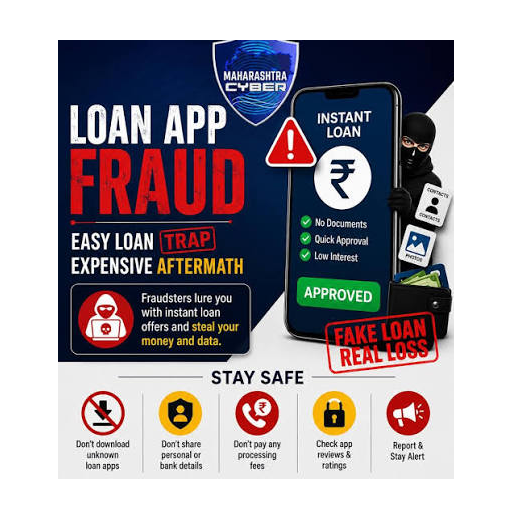
Loan apps solved a real problem: fast access to credit for people traditional banks routinely turn away. But that same convenience has been exploited by a wave of unregulated apps that quietly built their business model around harassment, data harvesting, and debt cycles that trap borrowers rather than help them. The good news is that 2026 has been a genuinely active year for regulators pushing back – which means there’s now a concrete, checkable way to tell a legitimate lender from a predatory one, rather than relying on gut feeling alone.
This guide covers what irresponsible loan apps actually do, how to recognize one before you borrow, and a real, current example of what regulatory crackdown looks like in practice.
What Makes a Loan App “Irresponsible”?
1. Excessive Interest Rates
Predatory apps often target borrowers in genuine urgency and lock them into rates far beyond what’s needed to cover risk — designed less around responsible lending and more around trapping repeat borrowers in escalating repayment obligations.
2. Hidden Fees Buried in Fine Print
Undisclosed service charges, processing fees, or penalty structures that only become clear after you’ve already agreed to the loan are a hallmark of bad-faith lenders. These costs compound quickly, especially for borrowers who are already in a tight financial spot.
3. Data Exploitation
This is one of the most serious and, until recently, under-addressed risks. Some apps have harvested far more from a borrower’s phone than a loan application requires — including, in some documented cases, full access to a user’s contact list — and then used or sold that data in ways borrowers never consented to. Beyond privacy violations, this data has been directly used as a harassment tool (more below).
Best Car Financing Apps in 2026: How They Work, and What to Look For
How These Apps Actually Harm Borrowers
- Debt cycles: borrowers take a new loan just to cover a previous one, and rising interest and penalties make it progressively harder to break free.
- One-sided credit reporting: many irresponsible lenders don’t bother reporting on-time payments to credit bureaus — but report missed or late payments immediately, meaning responsible borrowers get none of the upside while still carrying the downside risk.
- Harassment as a collection tactic: this is where data exploitation and borrower harm intersect most directly. Regulators in multiple countries have documented cases of lenders using harvested contact-list data to message a borrower’s family, friends, and employer — sometimes falsely labeling the borrower a criminal or, in extreme documented cases, falsely announcing their death — as a public-shaming debt collection tactic. This isn’t a hypothetical risk; it’s one of the specific behaviors regulators have moved to explicitly ban.
- Real mental health toll: the combined pressure of aggressive collection tactics, compounding debt, and financial insecurity is a genuine and well-documented source of anxiety and distress for borrowers caught in these cycles.
How to Spot an Irresponsible Loan App
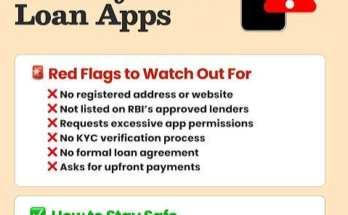
- No visible regulatory registration. Legitimate lenders operate under a license and can point to it. If an app doesn’t clearly display its regulatory status, that’s a real reason to stop before proceeding — not just a technicality.
- “Guaranteed approval” or “zero checks” messaging. Any lender promising approval with literally no assessment of your ability to repay is either overstating its process or not actually evaluating risk responsibly — neither is a good sign.
- Consistent complaint patterns in reviews. A handful of bad reviews happens to any company. A repeated pattern — surprise fees, contact-list harassment, data misuse — is a different signal entirely, and worth taking seriously.
- Excessive permission requests at install. An app requesting access to your contacts, photos, or messages beyond what a loan application genuinely requires is a concrete, checkable red flag you can catch before you even apply.
A Real Example of Regulation in Action: Nigeria’s Crackdown
Nigeria offers a genuinely useful, current case study in what happens when regulators take this seriously — and it’s a good illustration of exactly the harms described above.
In July 2025, Nigeria’s Federal Competition and Consumer Protection Commission (FCCPC) introduced the Digital, Electronic, Online, or Non-Traditional (DEON) Consumer Lending Regulations, with full enforcement beginning in January 2026. The rules directly target the behaviors covered in this guide:
- Mandatory registration for all digital lenders — fintech apps, telecom-based lenders, and Buy Now Pay Later platforms alike.
- A full ban on accessing a borrower’s contact list, and a specific prohibition on using contacts, photos, or personal data for debt recovery.
- Ethical debt collection standards, with harassment — including the public-shaming and name-calling tactics described above — explicitly outlawed.
- Transparent disclosure requirements, covering interest rates, fees, and repayment terms before a loan is disbursed.
- Real penalties: companies that fail to comply face fines of up to ₦100 million or 1% of annual turnover, and non-compliant directors risk being disqualified from business for up to five years.
The rollout wasn’t without friction — an industry association briefly won a court injunction pausing enforcement in April 2026, but a federal court upheld the FCCPC’s authority and enforcement resumed. As of the most recent registry update, more than 170 companies are licensed under the framework, including well-known names like FairMoney, Branch, Carbon, OKash, and PalmCredit, while dozens of non-compliant apps have been formally blacklisted and flagged for removal from app stores.
The practical takeaway, wherever you’re borrowing from: check whether your country has an equivalent registry or regulatory body, and treat “is this lender actually licensed” as your first filter — not an afterthought. In Nigeria specifically, the FCCPC’s published registry of approved digital lenders is the direct, checkable source for this.
Best Practices for Responsible Borrowing
- Read the fine print before you agree to anything — interest rate, repayment schedule, and every listed fee.
- Borrow only what you actually need. Larger loans come with steeper obligations, and the gap between “available” and “necessary” is where a lot of avoidable debt starts.
- Budget around the repayment before you borrow, not after your first payment is due.
- Don’t stack loans. Taking on multiple simultaneous loans compounds risk quickly — pay down what you have before adding more.
- Check your credit report periodically and flag discrepancies early, since a clean, accurate credit history is what unlocks better terms down the line.
Frequently Asked Questions
Is it illegal for a loan app to access my contact list? Increasingly, yes, depending on your jurisdiction. In Nigeria, for example, the FCCPC‘s DEON regulations explicitly ban lenders from accessing a borrower’s contacts and from using contacts, photos, or personal data for debt recovery. Check your own country’s digital lending or data protection regulator for the equivalent rule where you are.
Does missing a payment on an irresponsible loan app always hurt my credit? Often, yes — and asymmetrically. Many unregulated lenders report missed or defaulted payments to credit bureaus quickly while never reporting your on-time payments, meaning responsible repayment doesn’t help your credit even as a single missed payment can hurt it.
How can I check if a loan app is actually licensed? Check your national financial or consumer protection regulator’s published registry. In Nigeria, the FCCPC maintains an updated list of approved digital lenders; most countries with active digital lending oversight publish something equivalent.
What should I do if a loan app has already harassed my contacts? Document the communications, and report the app to your national consumer protection or data protection authority — in Nigeria, that’s the FCCPC’s official complaint channel. Regulators increasingly treat this as a specific, actionable violation rather than a customer-service complaint.
Are all loan apps predatory? No — plenty of digital lenders operate transparently, disclose their terms upfront, and report both positive and negative payment history to credit bureaus. The goal isn’t to avoid loan apps altogether, but to check registration status and read reviews carefully before choosing one.
This guide reflects publicly available regulatory information as of August 2026, including Nigeria’s FCCPC digital lending framework. Regulations and approved-lender lists change — always check your national regulator’s current registry before borrowing. This is general information, not financial advice.